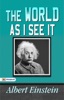
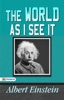
Albert Einstein's 'The World as I See It' offers a remarkably intimate glimpse into the mind of history's most celebrated physicist, revealing a man who was as deeply concerned with the human heart as he was with the laws of the universe. Rather than a dense scientific treatise, this collection of essays, letters, and speeches is a profound reflection on the meaning of life, society, and our shared responsibilities.
With striking lucidity and warmth, Einstein unpacks his personal philosophy. He writes candidly about his inherent sense of isolation, yet balances it with a passionate commitment to social justice and human brotherhood. The book captures his staunch pacifism, a stance especially poignant given the backdrop of Europe's rising totalitarianism in the 1930s. Across its pages, he vehemently defends democracy, intellectual freedom, and the absolute necessity of individual liberty.
Perhaps the most beautiful aspect of the book is Einstein's exploration of what he calls a "cosmic religious feeling." For him, true spirituality is not found in rigid dogma, but in a quiet, humbling awe at the mysterious harmony of nature. Science and art, he argues, are simply different ways of expressing this profound wonder.
'The World as I See It' is a deeply humane manifesto. It reminds us that behind the genius of relativity stood a gentle, compassionate philosopher who urged humanity to seek truth, reject violence, and live with an enduring sense of wonder, kindness, and moral courage.